Who Are the Tuatha De Danann?
Feb 09, 2026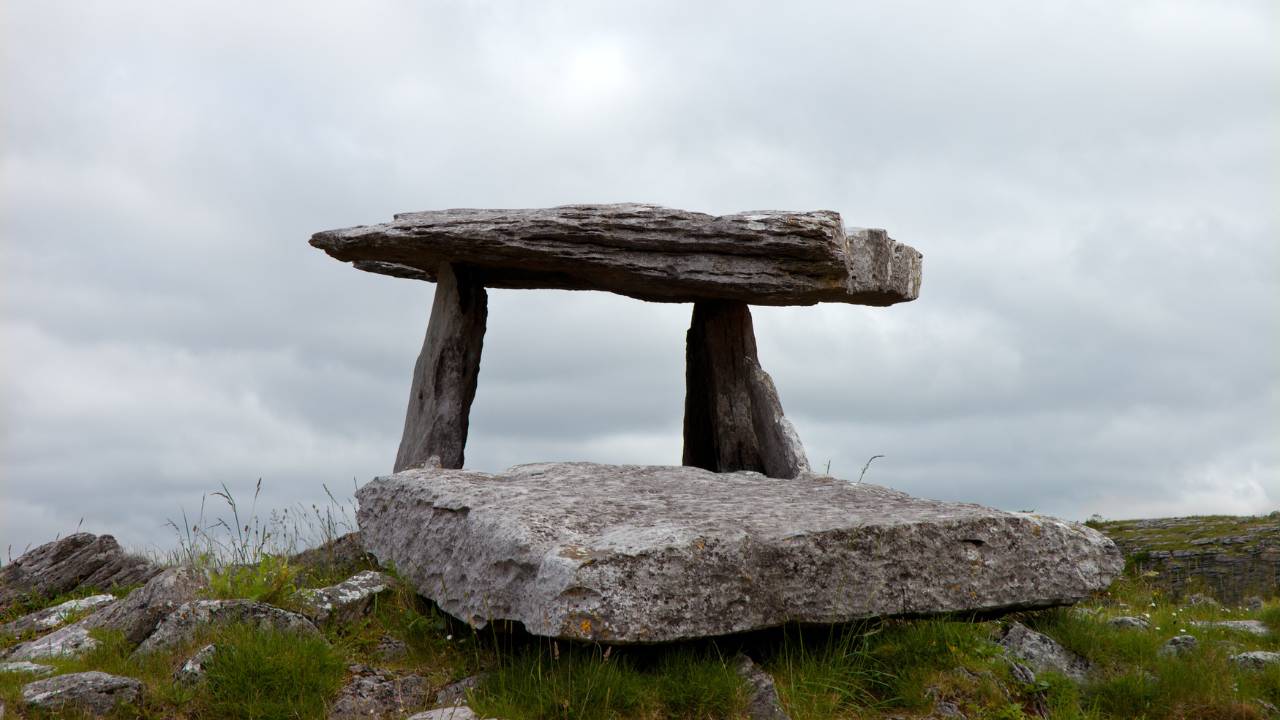
The Tuatha De Danann are the divine beings, old Gods and Goddesses at the heart of pre-Christian Irish tradition, and they're probably the most important group of figures you'll encounter when you start studying Irish mythology seriously.
The name is usually translated as 'the peoples/tribe of the goddess Danu', though that translation is contested, since a goddess named Danu doesn't actually appear as a named figure in the early Irish texts the way the translation implies. The name is also given as Tuatha De, which translates as 'the tribe of Gods' or similar.
What the medieval manuscripts do give us is a rich collection of beings with supernatural power, deep connection to the Irish land, and their own complex mythology, most of it preserved in texts like Lebor Gabala Erenn, the Book of Invasions, and the Cath Magh Tuired, the Second Battle of Moytura.
They're not gods in the Greek or Roman sense of a distant, elevated omnipotent pantheon. In Irish tradition, the Tuatha De are intimately connected to specific places, hills, rivers, and sacred sites that still exist in Ireland today.
When they were 'defeated' by the Milesians in the mythological sequence, they didn't disappear. They moved into the land, into the sidhe, the burial mounds and hollow hills, and their presence in the tradition continued through accounts of the otherworld and later in folklore.
Who are the key figures?
The names you'll encounter most often include the Dagda, a powerful and generous figure associated with abundance and the earth; the Morrigan, a sovereignty goddess associated with battle, fate, and the people of Ireland; Lugh, associated with skill, mastery, and radiance; Brigid, associated with poetry, healing, and smithcraft; and Manandan mac Lir, who presides over the sea and the otherworld.
Each of these figures has a complex textual record, and their attributes in the original sources are often more layered than popular retellings suggest.
What do the sources actually say?
The earliest substantial accounts of the Tuatha De come from medieval Irish manuscripts, most of them compiled by Christian scribes working in the 12th century and later. This doesn't make them unreliable, but it does mean they require careful reading.
The scribes were often rationalising older mythological material into a pseudo-historical framework, treating the Tuatha De as ancient kings and queens rather than divine beings.
Scholarly engagement with Irish mythology involves reading through those layers to understand what the tradition is actually carrying.
Are they still honoured today?
Yes. For contemporary Irish Pagans and practitioners, the Tuatha De Danann aren't distant historical curiosities but living presences within a tradition that has continued, in various forms, from pre-Christian Ireland to the present day.
Engaging with them means working with their actual textual and historical record, not with modern reconstructions that flatten or romanticise who they are.
The 3 Pillars of Contemporary Irish Paganism is a free 3-day email course that covers the core principles of the tradition, written and taught by native practitioners in Ireland, and it's the right place to start your path. ➡️ Sign up Here.
Stay connected with news and updates!
Join our mailing list to receive the latest news and updates from our team.
Don't worry, your information will not be shared.
We hate SPAM. We will never sell your information, for any reason.